
Insights for better freight decisions
Practical guidance on mode selection, documentation, storage and temperature-controlled movement, written from day-to-day operations rather than theory.
Featured
Guidance from the operations desk

More reading
Other operational guides
 Warehousing
Why warehousing improves supply chain reliability
Reliable warehousing reduces order delays, improves stock visibility and gives operations teams more control during demand swings.
Read article Compliance
DGFT documentation essentials for smooth exports
Incomplete documentation slows customs clearance and interrupts dispatch timelines. Here are the checks exporters should complete before cargo leaves the warehouse.
Read article Cold Chain
How cold chain logistics protects sensitive cargo
Temperature-sensitive goods need tighter control at every handoff, from storage to transport and final delivery.
Read articleWhat we write about
Guidance written from shipments, not from search terms
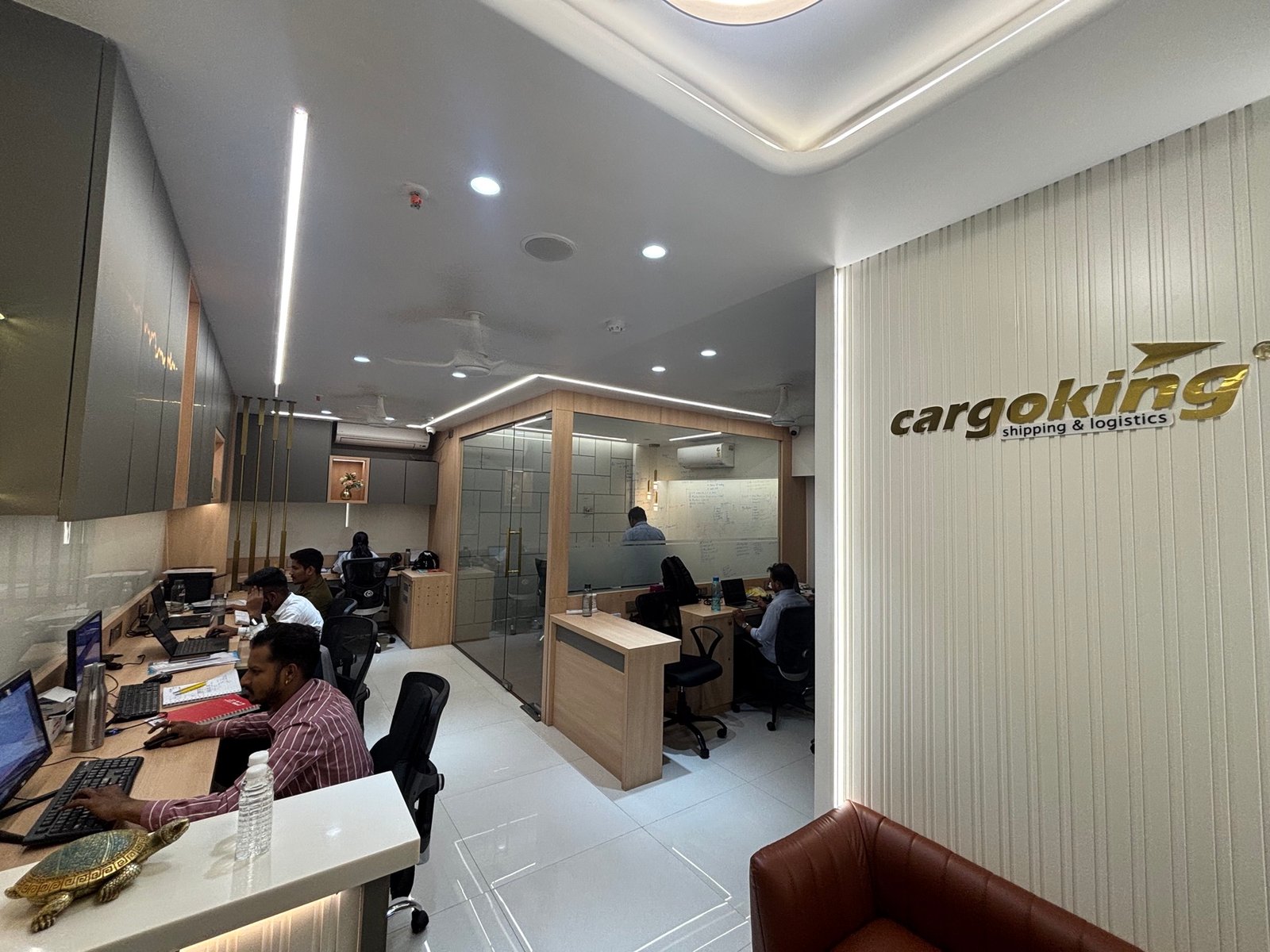
Freight advice online is mostly recycled. Ours comes from the Mumbai operations desk: the people who book the space, file the documentation and take the call when a container is rolled. It covers what actually decides whether a consignment moves on time.
Mode and routing
When air justifies its premium, when sea is the better answer, and when a combination beats both.
Documentation and compliance
What customs and DGFT actually require, and which omissions stop cargo most often.
Storage and handling
How warehousing, packing and cold chain decisions change the risk profile of a consignment.
Cost and planning
Where landed cost really sits, and which charges a headline freight rate tends to leave out.
Why it is worth reading
Most freight problems are decided before the cargo moves
By the time a shipment is delayed, the cause is usually weeks old: a commodity classified wrongly, dimensions estimated rather than measured, packaging chosen on price, an Incoterm agreed without anyone checking who pays for the destination leg.
Each of those is cheap to fix beforehand and expensive to fix afterwards. That is the gap these articles are written into. Not general supply-chain commentary, but the specific decisions an exporter or importer makes in the week before a booking.
If something here applies to a shipment you are planning, send us the details rather than guessing from an article. Route, commodity, weight or volume and the target date are enough for a considered answer.
- Written by the team handling the shipments
- No vendor-neutral theory, no filler
- Updated when operational practice changes
- Specific questions answered directly
FAQ
About these insights
They are written by the Cargoking operations team from day-to-day freight handling rather than generic industry commentary.
New guidance is added as operational topics come up: mode selection, documentation changes, seasonal capacity and handling requirements.
Yes. The articles cover general principles; for a specific route, commodity or deadline, send us the details and we will respond with a considered recommendation.
Mode and routing decisions, customs and DGFT documentation, warehousing and packing, cold chain handling, and where landed cost actually sits. The common thread is decisions made before a booking rather than after one.
Mostly, yes. The documentation, DGFT requirements and port practice described here are Indian, though the principles on mode selection, chargeable weight and packaging apply to any international movement.

Ready to move your cargo?
Send us the route, commodity and timeline. You will get a considered option and an indicative price.